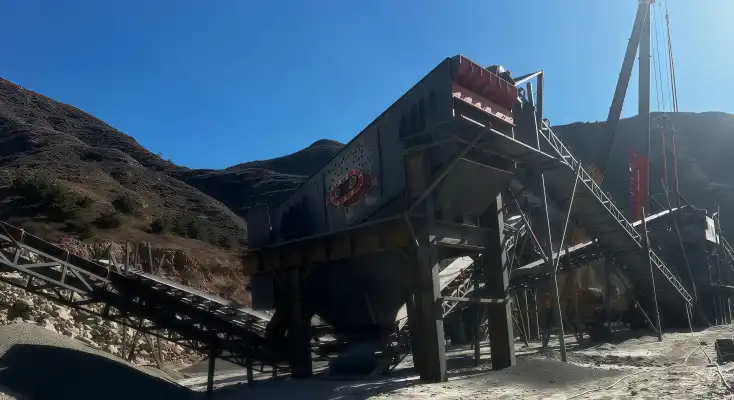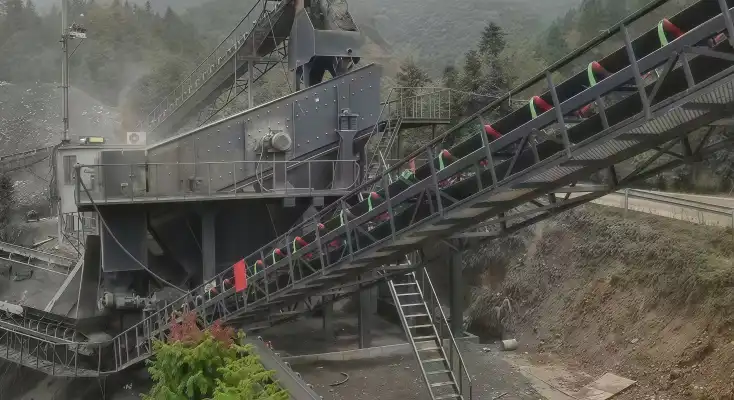
Vibrating screen
Aston Vibrating Screen: High-Efficiency Multilayer Material Classification
To achieve precise bulk material classification, the Aston circular vibrating screen utilizes a multilayer deck configuration driven by an adjustable eccentric drive system. The generated circular throw motion guides feed material along a prolonged screening path, optimizing dwelling time for thorough size segregation. This operational design serves high-throughput processing environments in mining, quarrying, infrastructure, energy, and chemical processing.
The mechanical assembly incorporates a high-strength chassis and a robust eccentric shaft mechanism, delivering substantial exciting force with low structural noise. By continuously lifting and tumbling particles across the mesh surface, the unit minimizes deck plugging and maintains stable processing capacity even under heavy loads.
Designed for seamless integration into crushing plants, this screening system functions as an efficient inline grading unit. The accessible component layout allows swift mesh replacement and straightforward routine servicing, helping mining and aggregate operators maintain low running costs and steady plant availability.
Size of feed opening: ≤1100 x 1250mm
Discharge range: 40~300mm
Capacity: 50~1100t/h
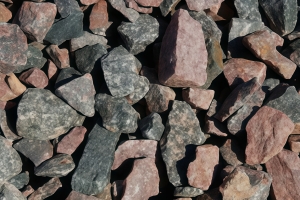
Coarse stone
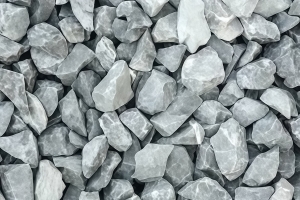
Middle size stone
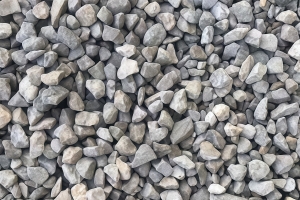
Fine stone
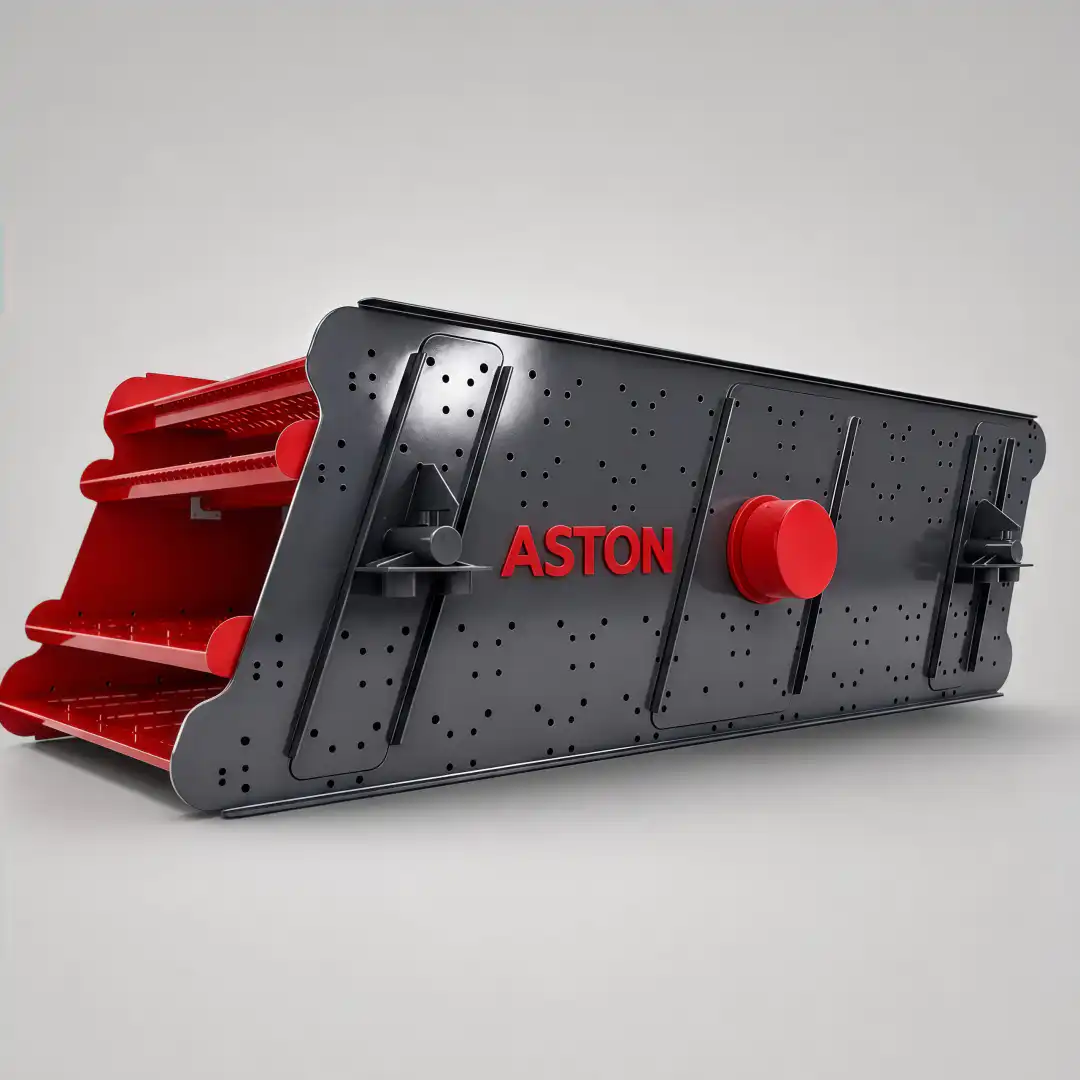
Application field of vibrating screen
Material
Suitable for classifying a wide range of bulk solids and coarse to fine aggregates, such as crushed stone, ore, gravel, coal, sand, and mineral concentrates. Functioning smoothly across varying feed sizes and moisture conditions, the equipment maintains efficient deck stratification to deliver clean particle separation and multi-spec product discharge.
Application
Widely deployed across mining operations, quarrying, aggregate production, construction material manufacturing, road infrastructure projects, chemical processing, and power plants. It serves as an essential screening solution for operations requiring reliable multi-stage material grading, closed-circuit circuit separation, and precise output size control.
Vibrating screen features:
- Adjustable eccentric drive system: Equipped with a cylindrical eccentric shaft vibrator and counterweight blocks, the unit allows operators to adjust stroke amplitude effortlessly, streamlining daily operation and maintenance procedures.
- Anti-blinding deck options: Fitted with durable spring steel woven mesh or heavy-duty perforated plates, the screening media resists surface blinding while delivering long wear life under abrasive processing conditions.
- Rubber damping springs: Designed with rubber vibration isolation springs, the drive assembly minimizes dynamic load transfer to supporting structures, resulting in quiet operation and smooth transitions through the resonance zone.
- High-throughput deck design: The multi-deck layout extends material dwelling distance across the screening area, maintaining clean particle stratification and consistent throughput across all size fractions.
Specification of vibrating screen:
| Model | Size of feed opening (mm) | Discharge range (mm) | Capacity (t/h) | Motor power (kw) | Weight (excluding motor) (kg) |
| JC231 | 510×800 | 40-150 | 50-250 | 55-75 | 9052 |
| JC340 | 600×1020 | 60-175 | 85-300 | 75-90 | 16460 |
| JC3540 | 650×1060 | 110-225 | 120-400 | 75-90 | 16872 |
| JC440 | 760×1020 | 70-200 | 120-520 | 90-110 | 27810 |
| JC443 | 850×1100 | 80-215 | 170-625 | 110-160 | 34722 |
| JC549 | 950×1250 | 110-250 | 260-810 | 132-160 | 50308 |
| JC5149 | 1100×1250 | 160-300 | 350-900 | 132-160 | 50550 |
| JC555 | 1070×1400 | 125-250 | 360-920 | 160-200 | 58907 |
| JC5155 | 1170×1400 | 225-350 | 600-1100 | 160-200 | 60162 |
| JC649 | 1100×1250 | 125-280 | 385-920 | 160-200 | 55954 |
| JC659 | 1200×1500 | 150-350 | 400-1200 | 200-250 | 90089 |
| JC663 | 1200×1600 | 150-350 | 500-1450 | 220-250 | 90789 |
| JC771 | 1500×1800 | 150-350 | 600-1800 | 315-400 | 124413 |
| JC983 | 1800×2100 | 175-350 | 700-2100 | 355-450 | 180000 |
Applicable materials for vibrating screen

Dolomite

Sand stone

Limestone

Marble

Pebbles

Bricks & Tiles

Recycled concrete

Coal gangue
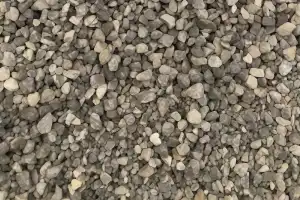
Phosphate rock

Iron ore

Granite

Shale
Versatile applications for vibrating screen
Circular vibrating screens play an essential role in sorting and sizing bulk materials across primary extraction sites and mineral processing circuits. By separating crushed feed into multiple distinct particle sizes, this equipment optimizes material flow, prevents oversized carryover into downstream units, and ensures final products meet strict grading requirements.
Typical application areas
Mining & Ore beneficiation plants:
The screen handles extracted ores such as iron, copper, and gold. Installed in secondary or tertiary processing circuits, it separates coarse ore for re-crushing while directing properly sized fractions to grinding mills or concentration stages.
Quarrying & Aggregate production:
It processes shot rock, gravel, and limestone into standardized building materials. The multilayer deck system simultaneously produces various spec aggregates for concrete blending, asphalt plants, and road base materials.
Coal preparation & Power generation:
Designed for raw coal sizing and washery circuits, the machine removes oversize rocks and separates fine coal fractions. Stable screening efficiency prevents material clogging in boilers and downstream conveying systems.
Chemical & Industrial processing:
The equipment classifies bulk industrial minerals like salt, fertilizer raw materials, and chemical compounds. Its consistent circular throw motion maintains uniform particle distributions for chemical reactors and specialized processing lines.
Explore industrial applicationsWorking process of vibrating screen
The screening process relies on continuous circular throwing action generated by an internal offset drive mechanism. As the central shaft rotates, off-center weights create dynamic forces that oscillate the entire frame, rapidly propelling material forward while sorting it by particle size.
Bulk raw materials are introduced at the upper end of the screen deck, where internal distribution plates quickly spread the feed across the full width to form a uniform bed for effective grading.
The high-speed rotation of the eccentric shaft and counterweights produces steady centrifugal excitation, converting motor drive energy into a continuous, controlled circular vibration pattern across the entire structure.
The forced circular motion continuously lifts particles off the deck surface and tosses them forward. This dynamic force causes finer particles to sink through bed voids toward the mesh, while coarser pieces remain on the top layer.
Material smaller than the mesh openings drops through successive screen decks into specific discharge chutes, whereas oversized particles travel along the top deck to complete the continuous separation circuit.
Vibrating screen main components
Built with high-strength alloy forged steels and wear-resistant composite castings, each component of our hammer crusher is precision-engineered for maximum impact endurance. The rugged structure ensures steady operational stability, simplified maintenance, and extended service life under heavy-duty crushing conditions.
A heavy-duty eccentric shaft equipped with adjustable counterweight blocks delivers powerful and precise exciting force, allowing operators to adjust stroke amplitude based on material characteristics.
Fabricated with high-tensile side plates and huck-bolted crossbeams, the screen frame provides high structural rigidity to resist vibrational fatigue during continuous heavy-duty runs.
Depending on material abrasiveness and particle size requirements, the decks feature spring steel woven wire or heavy-duty perforated plates designed to prevent pegging and maintain a high open-area ratio.
Thick rubber isolation springs support the screen box, absorbing dynamic operational forces, isolating vibration from support structures, and minimizing plant noise during startup and shutdown.
A heavy steel base anchors the drive motor and isolation system, maintaining mechanical alignment and preventing frame deformation under peak tonnage conditions.
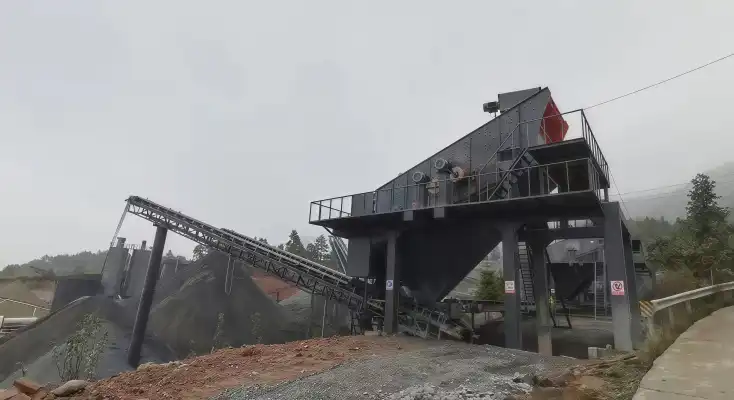
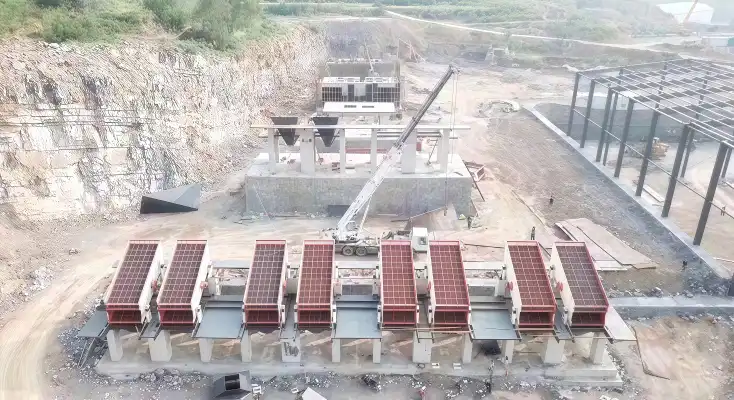
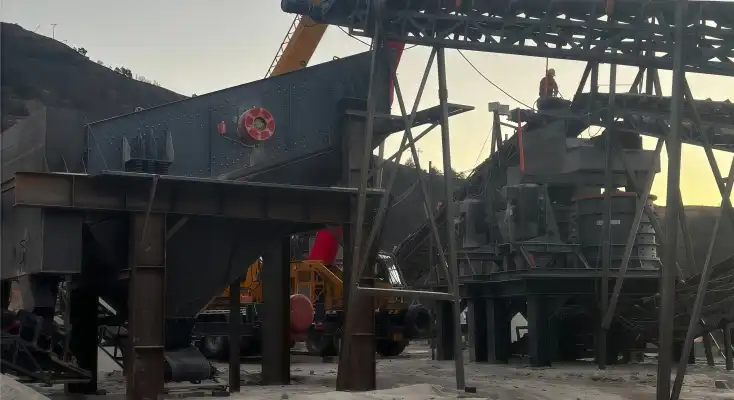
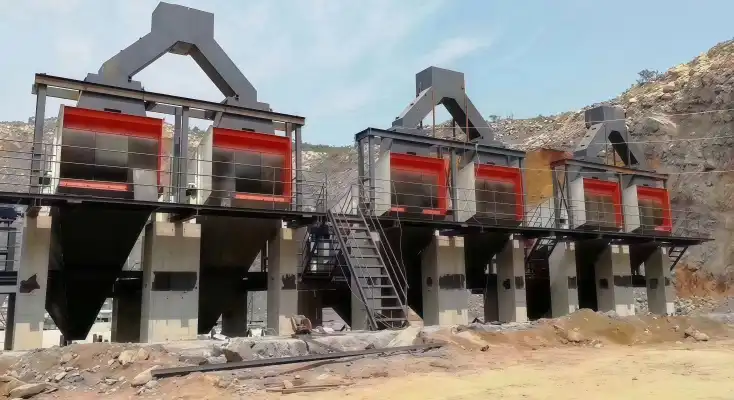
Vibrating screen exported cases: