
Hammer crusher
ASTON Hammer Crusher: Delivering High-Mobility Primary Crushing
Designed for high-performance reduction, the hammer crusher directly processes large raw materials into fine aggregate down to 25–35 mm in a single pass. Featuring single-rotor and double-rotor options, it provides a versatile, high-capacity crushing solution for mining, cement, coal, metallurgy, highway construction, and building material processing.
Built with a heavy-duty rotor assembly, durable hammers, and an adjustable grate gap, this equipment ensures high crushing ratios and precise output size control. The optimized crushing chamber accommodates both dry and wet crushing operations, maintaining high throughput and steady performance across diverse material conditions—including limestone, slag, coke, and coal.
As a simplified and reliable primary or secondary crushing unit, the hammer crusher integrates seamlessly into complete processing circuits. Its high-efficiency, single-stage design eliminates redundant intermediate crushing steps, significantly reducing capital expenditure, lowering operating costs, and maximizing overall plant productivity.
Feed specifications & Finished aggregate output
Feeding size: ≤250mm
Finished products size: 10~20mm
Capacity: ≤200t/h
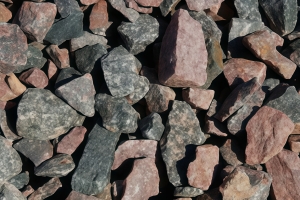
Coarse stone
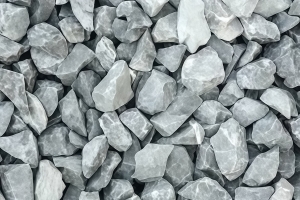
Middle size stone
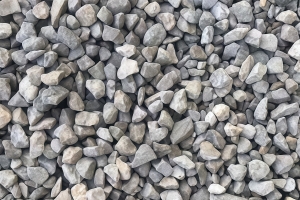
Fine stone
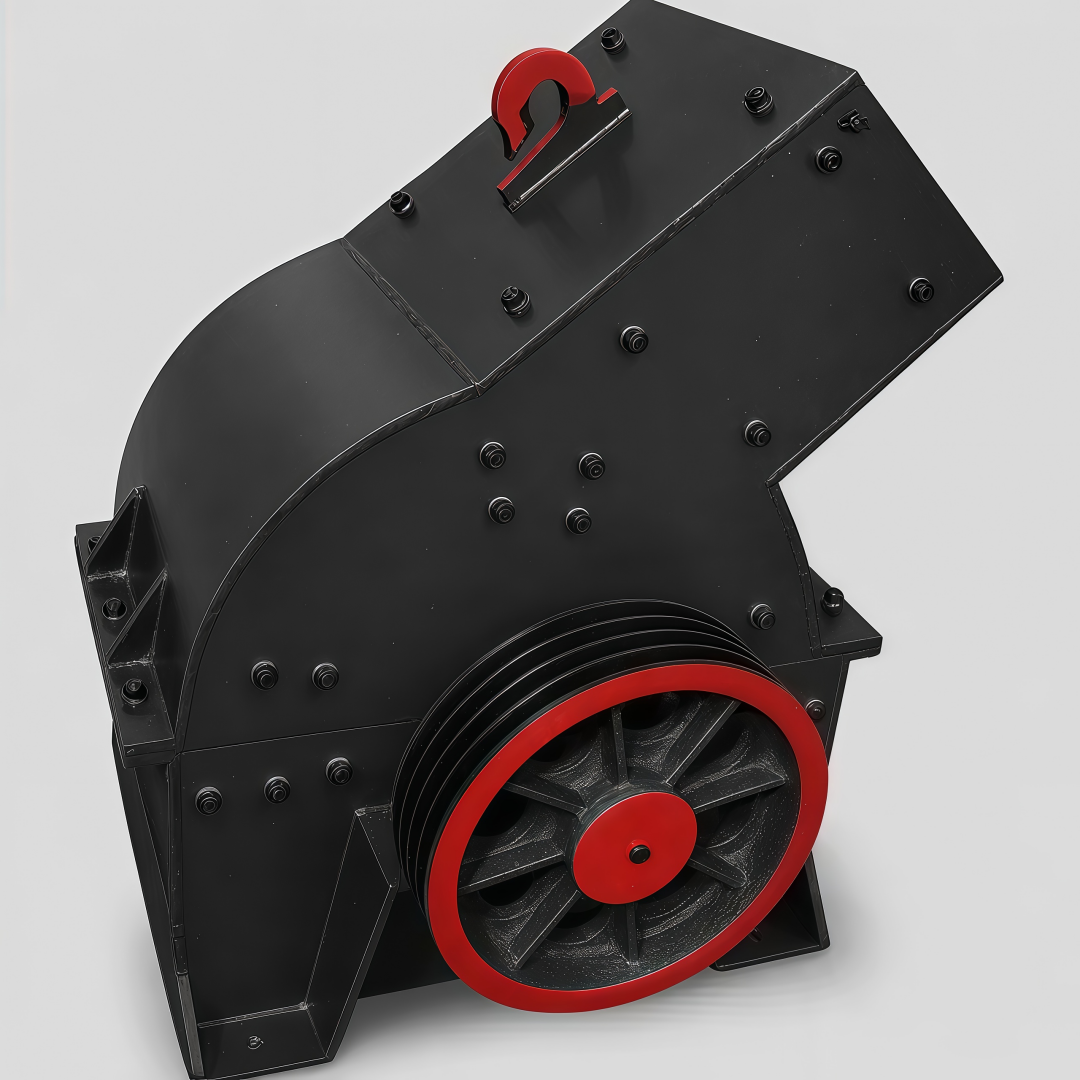
Application field of hammer crusher
Material
Capable of processing a variety of medium-hard and brittle materials—including limestone, slag, coke, coal, shale, gypsum, and chalk. Operating effectively in both dry and wet conditions, it delivers high-efficiency size reduction and uniform particle shape across all feed moisture levels.
Application
Mainly used in cement plants, coal preparation, mining, chemical, metallurgy, power generation, highway construction, gasification, and building material production—providing cost-effective, high-capacity crushing for operations that require simplified processing circuits and direct fine discharge.
Hammer crusher features:
- Advanced wear-resistant hammers: Cast with a modern alloy process, the working hammers feature superior wear and impact resistance, significantly extending service life under heavy-duty operations.
- Precision grate gap adjustment: Operators can quickly adjust the spacing between the bottom grate bars to calibrate discharge particle sizes from 25 mm down to fine specs, ensuring precise control over aggregate gradation.
- Dust-tight housing & Dust control: The fully enclosed casing uses heavy-duty rubber seals and precision-machined joints, eliminating fine powder leakage at the source and keeping site airborne dust within compliant limits.
- Modular casing & Quick-access maintenance: Built with a split-type housing and quick-release inspection doors, technicians can replace hammers and liners directly on-site without dismantling the main drive shaft.
Specification of hammer crusher:
| Model | Input size (mm) | Output size (mm) | Capacity (t/h) | Power (kw) | Weight (t) |
| PC300*200 | <100 | <10 | 3-5 | 5.5 | 0.5 |
| PC600*400 | <120 | <15 | 10-25 | 18.5 | 1.5 |
| PC800*600 | <120 | <15 | 20-35 | 55 | 3.1 |
| PC1000*800 | <200 | <13 | 20-40 | 110 | 7.9 |
| PC1000*1000 | <200 | <15 | 30-80 | 132 | 8.65 |
| PC1300*1200 | <250 | <19 | 80-200 | 240 | 13.6 |
Materials processed by hammer crusher

Dolomite
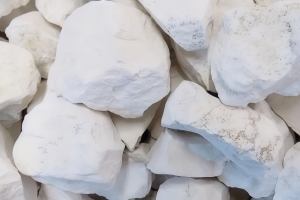
Chalk

Limestone

Marble

Gypsum

Bricks & Tiles

Fluorite

Coal gangue

Phosphate rock

Rock salt

Talc

Shale
Versatile applications for hammer crusher
Hammer crushers perform efficient impact reduction directly at raw material extraction sites and industrial processing lines. The single-stage operation transforms large feed directly into fine aggregates, replacing complex multi-stage crushing networks and reducing downstream transport demands.
Typical application areas
Cement & Raw material plants:
The machine crushes soft-to-medium raw rocks—such as limestone, gypsum, and chalk—down to kiln-ready feed size, simplifying pre-grinding preparation.
Coal preparation & Power generation:
It handles high-volume run-of-mine coal and mid-hard gangue. The steady discharge sizing prevents material bridging in screening plants and power plant hoppers.
Metallurgical & Chemical processing:
Designed to process industrial slag, coke, and sintering materials, the crusher maintains uniform particle distributions for high-temperature smelting and gasification processes.
Infrastructure & Road infrastructure:
It operates on-site to break down local quarry rock and masonry rubble, converting raw feed into consistent base-course aggregates for roadbed construction.
Explore industrial applicationsWorking process of hammer crusher
A hammer crusher utilizes dynamic kinetic impact for efficient material reduction. Driven by a high-speed rotor, the machine continuously shatters incoming feed against heavy-duty hammers and internal breaker plates, delivering precise, controlled output sizes for downstream operations.
Raw materials are continuously and evenly delivered into the upper crushing chamber through a vibrating feeder or chute. Controlled feeding prevents material surges, ensures an even load on the rotor, and optimizes the initial contact area between the incoming rock and the spinning hammers.
As the main motor drives the heavy-duty rotor at high RPM, the suspended hammers deliver violent kinetic impacts to the free-falling material. The combined force of high-speed striking, shearing, and particle-to-particle collision instantly breaks bulk rocks into smaller fractions upon entering the zone.
Driven by huge kinetic energy and gravity, shattered fragments are hurled against the wear-resistant breaker plates and frame liners. The rebounding material is bounced back into the path of the rotating hammers, undergoing repeated impact, collision, and friction until the grain size is significantly reduced.
The bottom of the crushing chamber is equipped with an adjustable grate/sieve plate. Material reduced below the screen gap passes through immediately for discharge. Oversized particles are retained on the grate, receiving continuous hammering and attrition from the hammer tips until they reach the target size to pass through.
Hammer crusher main components
Built with high-strength alloy forged steels and wear-resistant composite castings, each component of our hammer crusher is precision-engineered for maximum impact endurance. The rugged structure ensures steady operational stability, simplified maintenance, and extended service life under heavy-duty crushing conditions.
As the primary crushing elements, the hammer heads are cast from an advanced multi-element high-chromium/manganese steel matrix. Engineered via special heat treatment, they deliver extraordinary fracture toughness and extreme surface hardness, extending wear life several times over conventional options.
The dynamic heart of the machine features a precision-machined main disc set and high-tensile pin shafts that securely suspend the hammers. Symmetric pin hole layouts ensure balance during high-RPM rotation, while positive lock-nut mechanisms restrict axial motion to prevent dislodgement under heavy stress.
Designed to absorb continuous torque and intense shock loads, the main shaft is forged from premium alloy steel and subjected to full ultrasonic flaw detection alongside quenching and tempering. Critical mounting areas are induction-hardened to prevent fretting wear and operational fatigue.
Built for high structural rigidity, the split housing incorporates a lower base, rear upper hood, and side walls, all securely joined by high-tensile bolting. This rigid frame dampens vibration during operation and features quick-access covers to allow fast interior inspection and streamlined component swaps.
Built for high structural rigidity, the split housing incorporates a lower base, rear upper hood, and side walls, all securely joined by high-tensile bolting. This rigid frame dampens vibration during operation and features quick-access covers to allow fast interior inspection and streamlined component swaps.