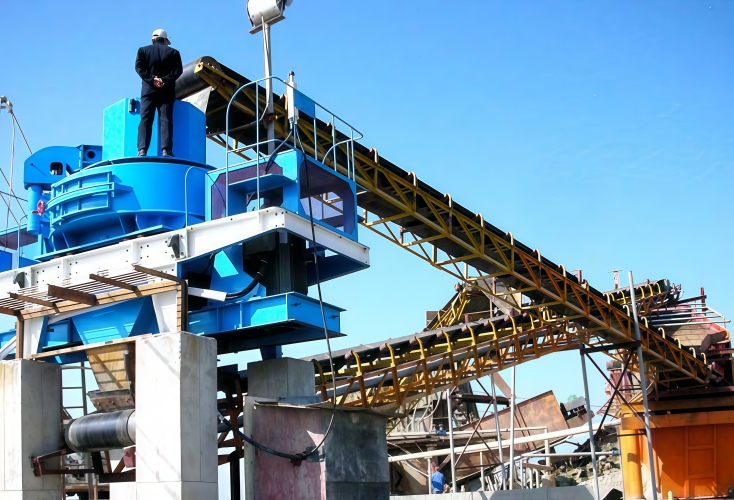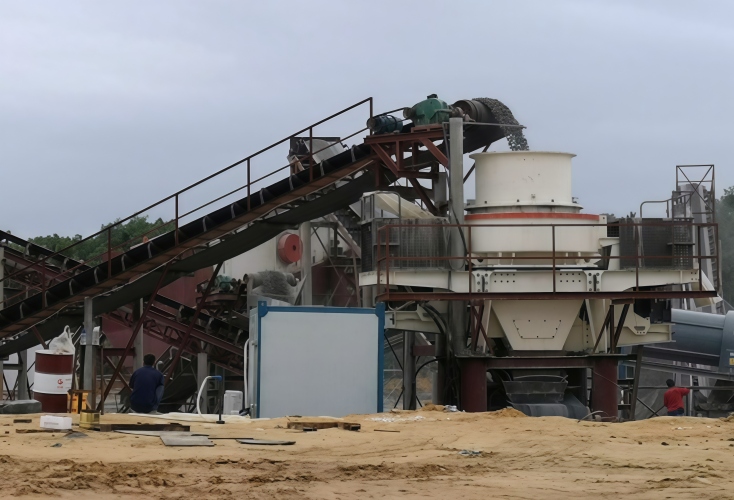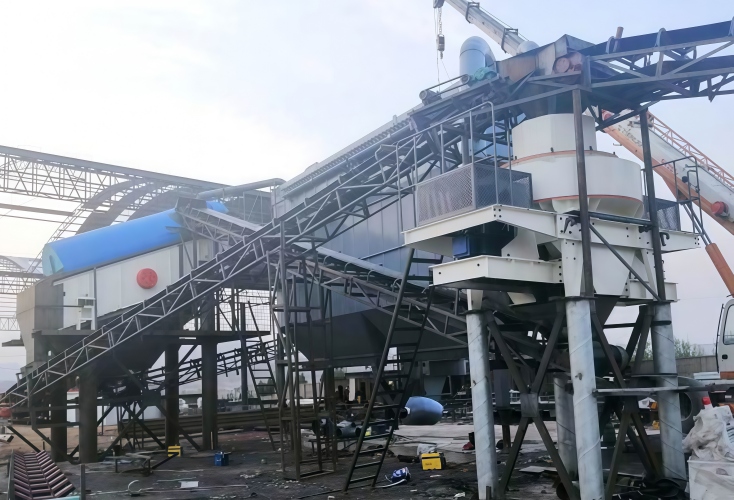
Sand production line
ASTON Sand Production Line: High-Yield Manufactured Sand Processing and Cleaning
The ASTON sand production line offers custom plant setups with output capacities from 150 to 500 t/h. Built for versatile mineral processing, the line handles both hard rocks like river pebbles, granite, and basalt, as well as softer materials including limestone, weathered rock, and gypsum.
A complete setup links vibrating feeders, primary jaw crushers, secondary cone or impact crushers, VSI sand making machines, vibrating screens, and bucket sand washers. Raw stone goes through multi-stage reduction before the VSI host shapes the material into high-grade sand. The downstream washing unit then removes silt and dust to meet commercial concrete standards.
Heavy-duty belt conveyors connect each equipment station into an automated processing loop. Managed by a centralized electrical control panel, the entire line maintains steady material flow, protects against motor overloading, and keeps routine operational downtime to a minimum.
Capacity: 150~500t/h
Price: 30000~150000usd
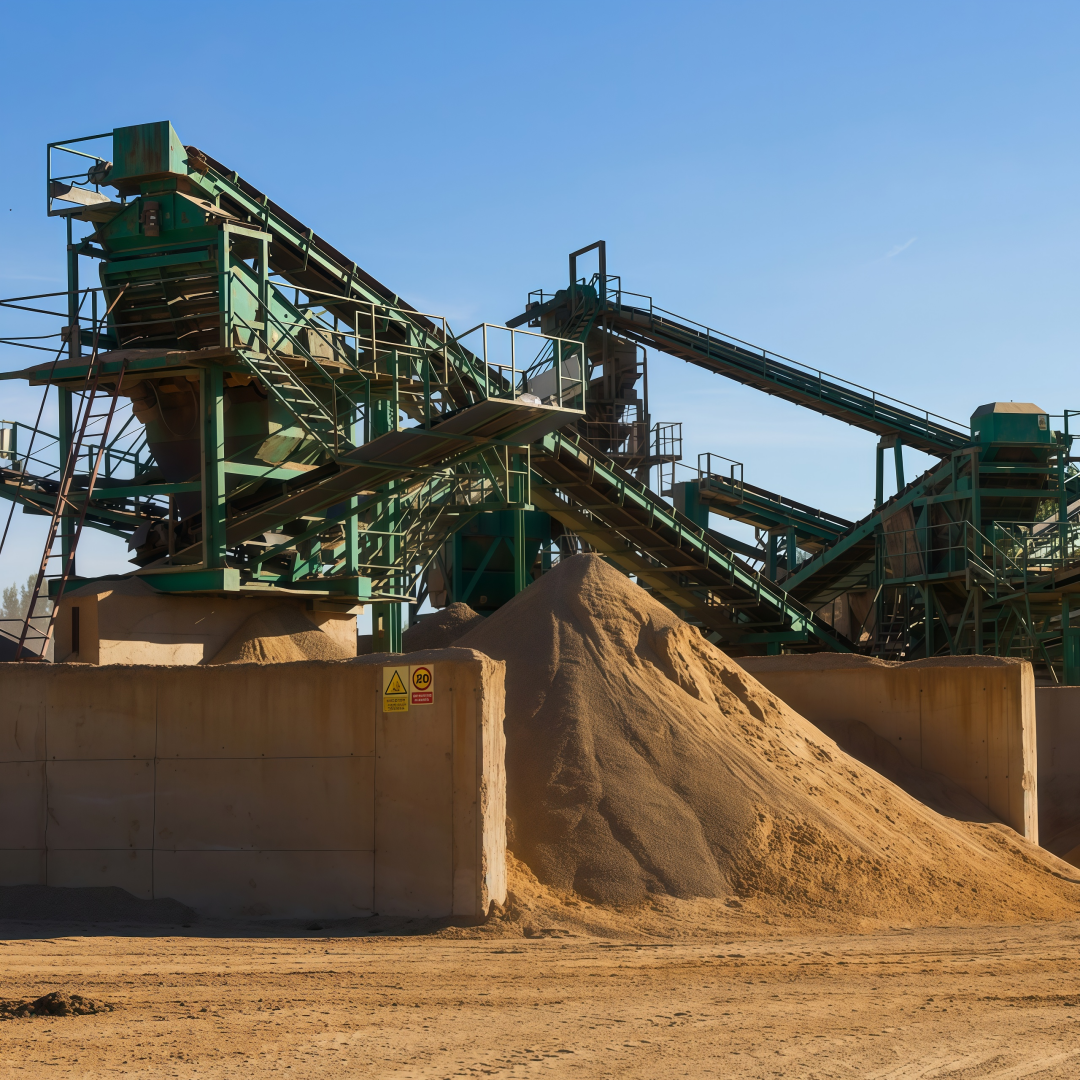
Application field of sand production line
Material
Processes both highly abrasive hard rocks (river pebbles, granite, basalt, iron ore, and quartz) and soft minerals (limestone, weathered rock, coal gangue, and gypsum)—delivering high-efficiency crushing and precise sand shaping across various raw material feeds.
Application
Widely used in commercial concrete batching plants, high-grade highway construction, high-speed railway ballast engineering, hydropower dam building, municipal infrastructure, and aggregate processing plants requiring high-quality manufactured sand.
Sand production line features:
- Simplified workflow & Lower operating costs: Optimizing the line layout eliminates unnecessary intermediate belt conveyors and secondary crushing stations, significantly reducing continuous motor power consumption and cutting wear-and-tear loss on high-wear spare parts.
- High line stability & Eco-friendly operation: Tight inter-equipment sealing prevents fugitive dust emissions across the site, while integrated pulse dust collectors maintain environmental compliance and boost overall sand-making efficiency by 5% to 10%.
- Automated control & Superior sand quality: Centralized PLC automation allows continuous, high-capacity aggregate processing with minimal manual labor, producing manufactured sand with uniform particle size, excellent cubical geometry, and optimized fineness modulus for ready-mix concrete.
Specification of sand production line:
Because ASTON sand production lines are custom-engineered based on raw material properties, target sand gradations, required hourly capacity, and specific site conditions, fixed standard specifications are not applicable.
A typical configuration generally includes a feed hopper, vibrating feeder, primary jaw crusher, secondary cone crusher, VSI sand maker, circular vibrating screen, and belt conveyors. Each plant layout is tailored to your jobsite to ensure smooth integration and optimal efficiency. Contact our technical team today to receive a customized flowchart, equipment list, and exact performance specifications for your project.
Materials processed by sand production line

Granite

Basalt

Limestone

Iron ore

Sandstone

Andesite

Dolomite

River pebble

Quartzite
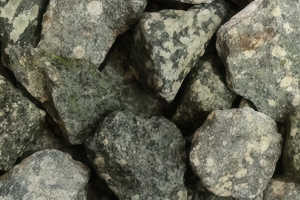
Diabase
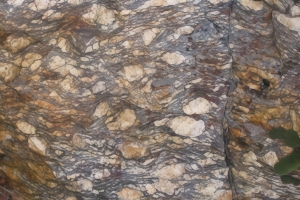
Gneiss
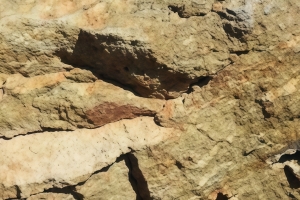
Tuff
Versatile applications for sand production line
Deployed across commercial aggregate quarries, remote mining sites, and major infrastructure jobsites, ASTON sand production lines deliver heavy-duty processing right where raw materials are extracted. They convert hard rock deposits and mineral reserves into ready-to-use manufactured sand for local and regional supply.
Typical application areas
Commercial ready-mix concrete plants:
Continuous supply of high-purity, well-graded manufactured sand to ensure concrete workability and compressive strength.
Highway & High-speed railway engineering:
Precision sand making for asphalt mixtures, road base layers, and ballastless track slabs requiring strict particle shape controls.
Hydropower & Dam infrastructure:
High-volume aggregate processing for massive concrete pouring projects using locally sourced river pebbles, granite, or basalt.
Mining waste & Tailings recycling:
Processing mine overburden, coal gangue, and quarried stone spalls into valuable commercial sand to promote eco-friendly resource reuse.
Explore industrial applicationsWorking process of sand production line
The ASTON sand production line forms a continuous, closed-loop processing circuit for manufacturing high-spec aggregates. Integrating primary jaw crushing, secondary reduction, vibrating screening, VSI sand shaping, and water washing, the plant steadily converts quarried stone into clean, well-graded commercial sand.
Raw stone is delivered into the hopper and fed continuously into the primary jaw crusher via a vibrating feeder, reducing large mined boulders into manageable coarse aggregate for downstream processing.
Coarse crushed stone travels via belt conveyor to the secondary crusher (cone or impact crusher) for further size reduction, breaking the feed down to the ideal input size required by the sand-making machine.
Multi-deck vibrating screens separate the reduced stone by size. Material within spec passes directly to the sand host, while oversized fractions return to the secondary crusher through a closed-loop conveyor for re-processing.
The VSI sand-making machine shapes the stone into uniform, cubical sand particles. Clean water washing units then strip away silt, clay, and fine dust, producing high-purity finished sand that meets commercial concrete standards.
Sand production line main components
An ASTON sand production line integrates specialized feeding, crushing, shaping, screening, and washing units into a high-efficiency circuit. Each station connects smoothly via heavy-duty belt conveyors, allowing quarry operators to customize equipment combinations based on raw material hardness, site constraints, and target aggregate specs.
Equipped with adjustable grizzly bars, the vibrating feeder screens out fine soil and debris before crushing, ensuring a continuous, uniform, and volumetric material feed into the primary crusher.
Operating as the primary reduction host, the heavy-duty jaw crusher utilizes a deep crushing chamber, high-torque eccentric shaft, and durable manganese jaw plates to break large quarried boulders into manageable coarse aggregates.
This secondary reduction unit operates as the core shaping station for medium and fine feeds. Single-cylinder or multi-cylinder hydraulic cone crushers handle abrasive hard rocks like granite, while impact crushers process softer minerals like limestone with high reduction ratios.
The core sand-making host utilizes high-speed centrifugal impellers for ‘rock-on-rock’ and ‘rock-on-anvil’ crushing. This process fractures stone into uniform fine particles, eliminates micro-cracks, and produces high-grade manufactured sand with ideal cubical geometry.
The multi-deck inclined vibrating screen classifies aggregate fractions by size, returning oversized rocks to the secondary crusher. The wheel-bucket sand washer, equipped with a dewatering screen, strips off clay, silt, and dust to control sand cleanliness and water content.
Sand production line exported cases: