
Stone aggregate production line
ASTON Stone Aggregate Production Line: Integrated Engineering for Cost-Effective Rock Reduction
Engineered for large-scale road construction and civil building projects, the ASTON stone aggregate production line provides a specialized processing solution for natural rock feed. It efficiently transforms common mountain formations and river gravel into precise, high-specification aggregates required for modern infrastructure.
While aggregate circuits demand precise engineering and upfront equipment investment, this complete production system balances initial costs with superior project yields. Optimized multi-stage crushing and screening configurations maximize plant output, delivering exceptional continuous returns over long-term operations.
Designed as a fully integrated circuit, the production line seamless links primary crushing, secondary reduction, and precise sizing units. Smooth material flow prevents processing bottlenecks, ensuring a steady, high-volume supply of finished cubical aggregate to downstream construction sites.
Capacity: 50~250t/h
Price: 10000~200000usd
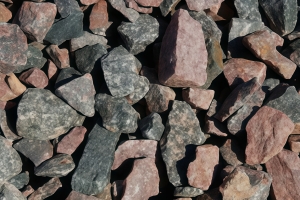
Coarse stone
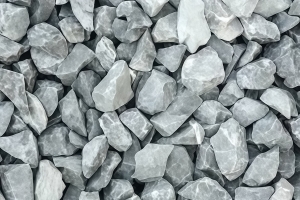
Middle size stone
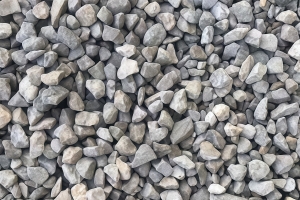
Fine stone
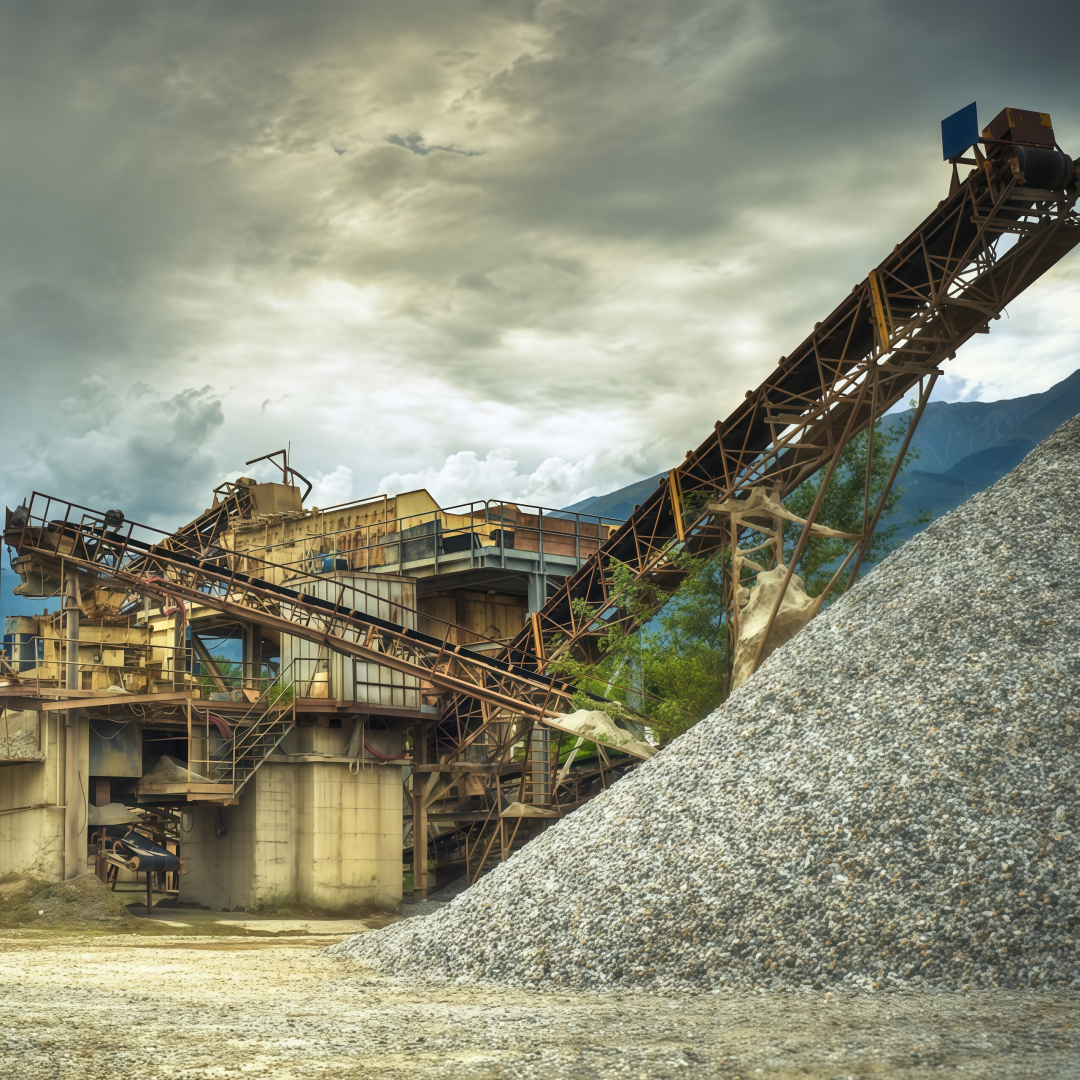
Application field of stone aggregate production line
Material
Capable of processing diverse raw rock feeds—ranging from hard, highly abrasive rocks like granite, basalt, quartzite, and river pebbles, to medium-hard stones like limestone, sandstone, dolomite, and marble—delivering consistent multi-stage reduction for fixed and semi-stationary plants.
Application
Extensively applied in highway subgrades, high-speed railway ballast, airport runway foundations, hydropower dam construction, and commercial concrete batching plants, where large-volume, high-specification cubical aggregates and strict particle grading are required.
Stone aggregate production line features:
- High automation & Easy maintenance: Designed with high-level automated controls and optimized mechanical access, the line achieves high reduction ratios while simplifying routine servicing to minimize labor intensity and operational downtime.
- Uniform particle size & Premium aggregate shape: Powered by dedicated secondary impact/shaping crushers and multi-deck vibrating screens, the circuit utilizes optimized rock-on-rock crushing action to eliminate internal fractures and minimize needle-like particles, ensuring cubical aggregates that meet strict highway and building standards.
- Compact cross-layout & Space-saving efficiency: Equipment at all crushing and screening stages is arranged in a highly coordinated, cross-configured layout that minimizes footprint and maximizes material transfer efficiency across the plant.
Specification of stone aggregate production line:
| Configuration of 50 t/h stone production line | |||
| Equipment name | Model | Power (kw) | Quantity (set) |
| Vibrating feeder | 850×3000 | 4.4 | 1 |
| Jaw crusher | 400×600 | 30 | 1 |
| Impact crusher | 1008 | 55 | 1 |
| Vibrating screen | 1235 | 5.5 | 1 |
| Conveyor | B500 | 3-4 | 6 |
| Configuration of 200-250 t/h stone production line | |||
| Equipment name | Model | Power (kw) | Quantity (set) |
| Silo | 1 | ||
| Vibrating feeder | GZD1100×4200 | 4.4 | 1 |
| Jaw crusher | PE600×900 | 75 | 1 |
| Impact crusher | PF1214 | 160 | 1 |
| Vibrating screen | YK1854 | 22 | 1 |
| Conveyor | B500×15m | 4×3 | 3 |
| Conveyor belt | B800×20m | 5.5 | 1 |
| Conveyor belt | B1000×20m | 5.5 | 1 |
| Conveyor belt | B800×25m | 4 | 1 |
| Specific production line configuration can be customized | |||
Materials processed by stone aggregate production line

Granite

Basalt

Limestone

Marble

Sandstone

Andesite

Dolomite

River pebble

Quartzite
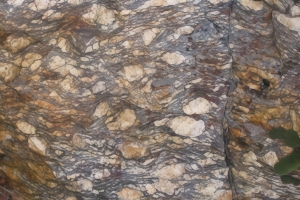
Gneiss

Tuff

Diabase
Versatile applications for stone aggregate production line
ASTON stone aggregate production lines process quarry-extracted rock and natural pebbles into high-grade construction aggregate through systematic multi-stage crushing, screening, and conveying. Built with cross-configured layouts and automated control systems, these complete aggregate plants ensure smooth material flow, reduced site footprint, and low operational cost per ton across major infrastructure projects.
Typical application areas
Stone quarrying plants:
Complete processing systems optimized for large-scale raw rock reduction, delivering high-throughput production of primary aggregate feeds directly at the quarry face.
High-grade highway & Express road subbases:
Multi-stage crushing and precision screening circuits supplying tightly controlled cubical stone with low flakiness for asphalt pavement layers and stable roadbeds.
Commercial ready-mix concrete batching infrastructure:
Integrated aggregate sizing and cleaning setups producing consistently graded limestone and river pebbles to meet strict workability and strength standards for concrete plants.
Hydropower dams & Mega-civil structure foundations:
Heavy-duty, automated processing lines built for continuous mass concrete aggregate production, providing reliable volumetric sizing for large foundations and bridge piers.
Explore industrial applicationsWorking process of stone aggregate production line
ASTON stone aggregate production lines run an automated, closed-loop processing workflow engineered for continuous high-capacity output. Linking silos, feeders, primary breakers, secondary fine crushers, and multi-deck screens via heavy-duty belt conveyors, the plant transfers raw stone through synchronized reduction and precise sizing stages with minimal manual labor requirements.
Quarried stone stored in the feed hopper is continuously and evenly metered by the vibrating feeder into the processing circuit, regulating throughput and preventing downstream clogging during heavy-duty operations.
Large rock feeds pass into the primary coarse crusher for initial size reduction, fracturing bulky mountain stone into manageable intermediate fractions suitable for belt conveyance.
Transferred via heavy-duty belt conveyors, intermediate stones enter the fine crusher for controlled secondary reduction, optimizing particle geometry and breaking down internal stress fractures.
Crushed material streams onto multi-deck vibrating screens, where precise mesh separations classify the aggregate into distinct commercial size fractions based on project requirements.
Aggregate meeting specification passes directly to output stockpiles via discharge conveyors, while oversized stone is automatically returned through closed-loop conveyors to the fine crusher for re-processing.
Stone aggregate production line main components
ASTON stone aggregate production lines feature modular component choices tailored to specific throughput demands, ranging from 50 t/h small-scale setups to 3,000 t/h high-capacity plants. Because equipment specifications and investment scales vary widely based on raw material hardness and target output, selecting high-durability core components remains the key to maximizing long-term operating efficiency and reducing lifetime lifecycle costs.
Engineered to withstand direct impact from heavy dump trucks and wheel loaders, the deep-volume raw material hopper buffers incoming rock feeds. Integrated with a heavy-duty vibrating feeder, it regulates a continuous, volumetric stream into the primary breaker, effectively absorbing operational shock loads and preventing material choking at the initial stage.
Configured for synchronized rock reduction, the primary crusher fractures large quarried boulders into manageable intermediate fractions, while downstream secondary/fine crushers execute high-ratio reduction and volumetric shaping. This staged crushing strategy minimizes component wear, improves energy efficiency, and yields well-shaped cubical aggregate with minimal flakiness.
Equipped with high-frequency, multi-deck vibrating screens, this system accurately separates crushed stone into various standardized commercial fractions (e.g., 0–5mm, 5–10mm, 10–20mm, 20–31.5mm) in a single pass. Material exceeding required specs is automatically routed onto a closed-loop return conveyor for re-crushing, ensuring 100% specification compliance.
Heavy-duty belt conveyors with dust-suppression options physically unify all processing units into a smooth material handling loop. Centralized through an intelligent PLC control panel with safety interlocks, operators can monitor real-time system loads, adjust feed speed dynamically, and protect the entire plant from operational downtime.