
Concrete Mixer Pump
One machine, two jobs — all-in-one concrete mixing and pumping
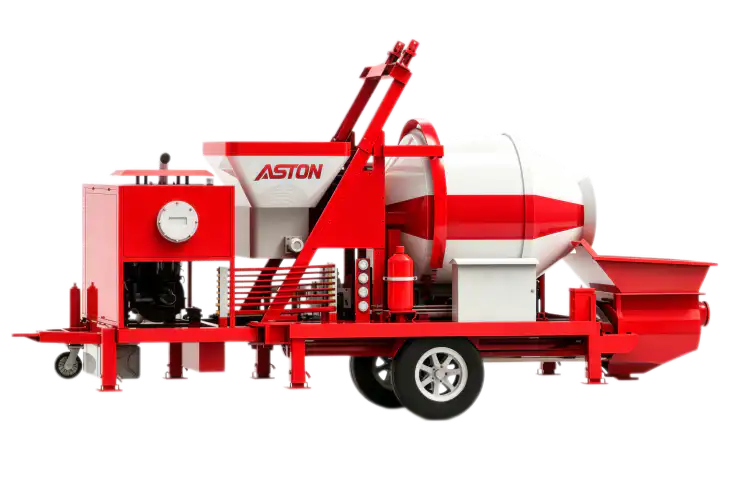
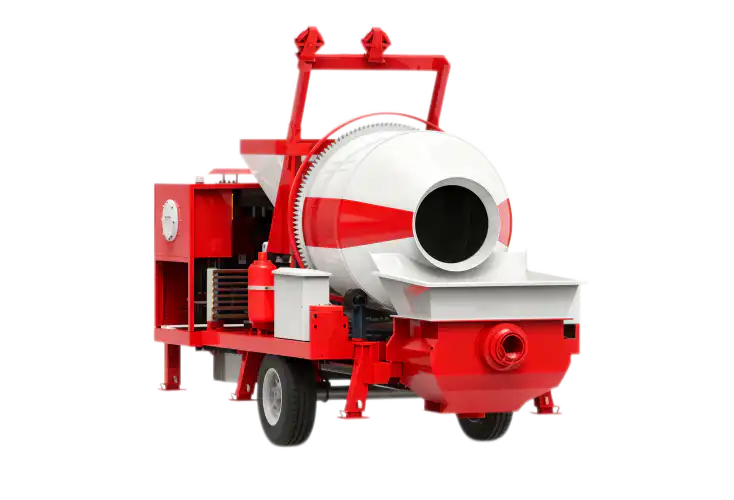
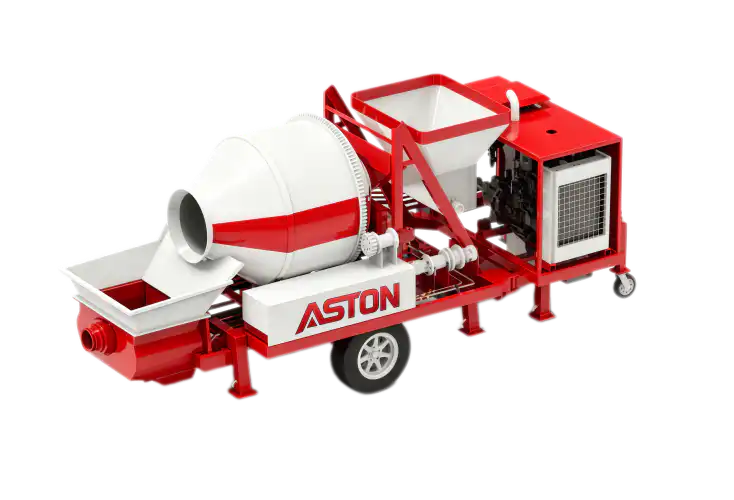
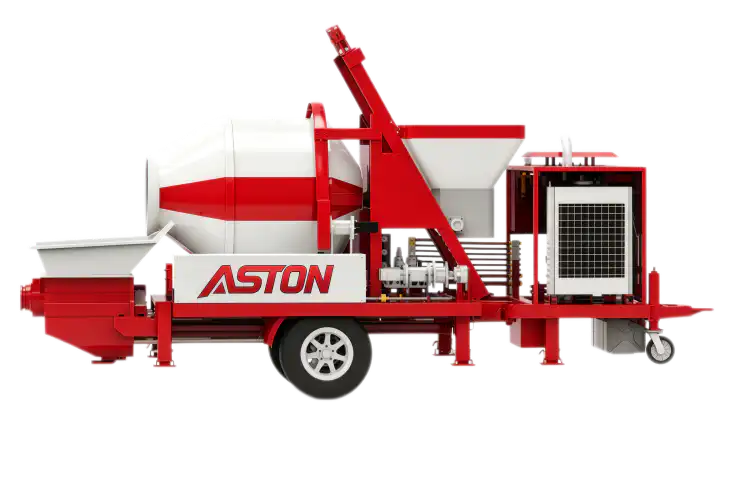
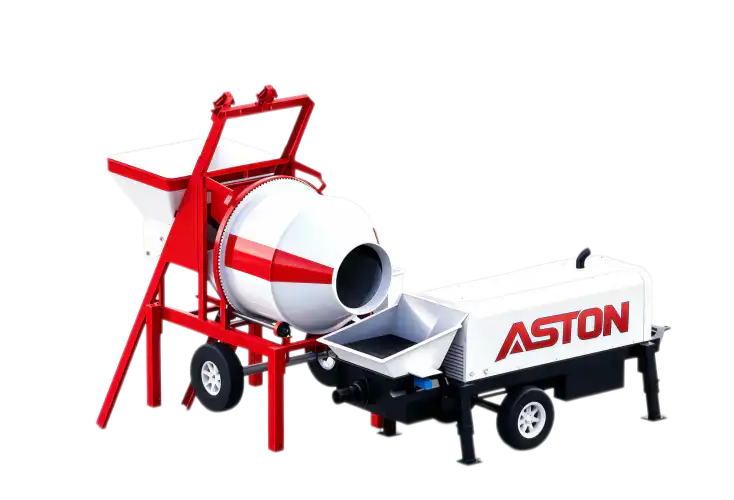
The ASTON concrete mixer pump integrates a drum mixer and a trailer pump into a single unit, combining mixing and pumping in one continuous operation. Instead of juggling separate equipment, your crew loads raw materials, mixes on-site, and pumps concrete to where it’s needed — all without a ready-mix truck in sight.
Designed for small and medium construction sites, the machine dramatically simplifies concrete placement workflow. From rural housing foundations and village road building to urban floor slabs and structural repairs, one operator can control the full process of loading, mixing, and pumping, cutting both crew size and equipment investment.
Mix on-site. Pump further. Pay less per m³.
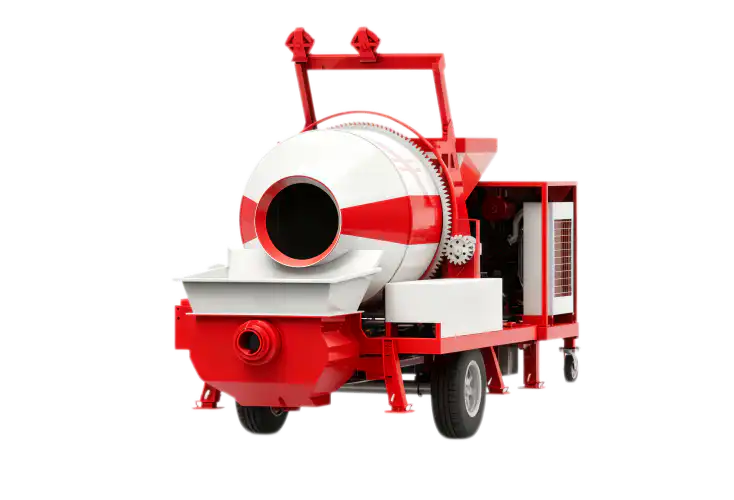
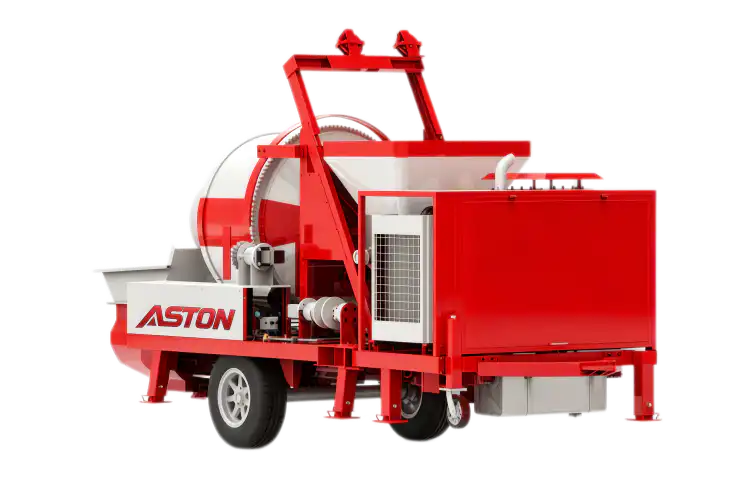
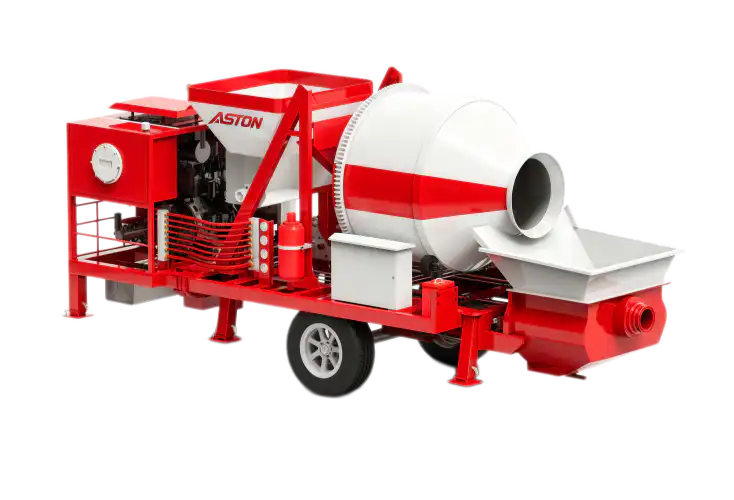
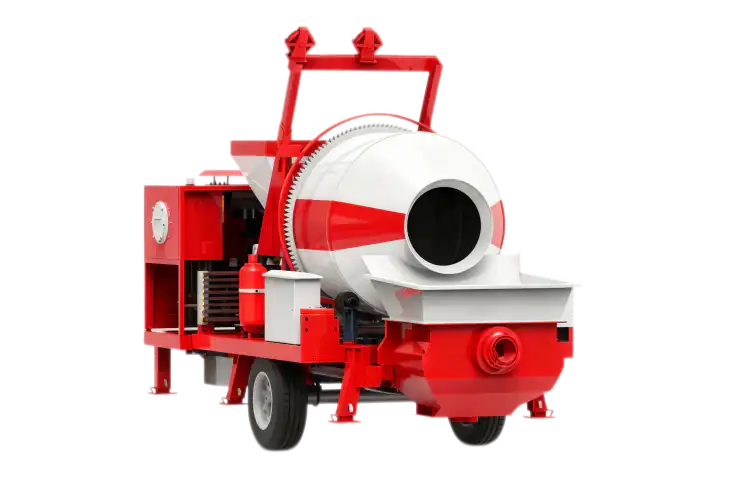
2026-2030 market analysis of concrete mixer pump
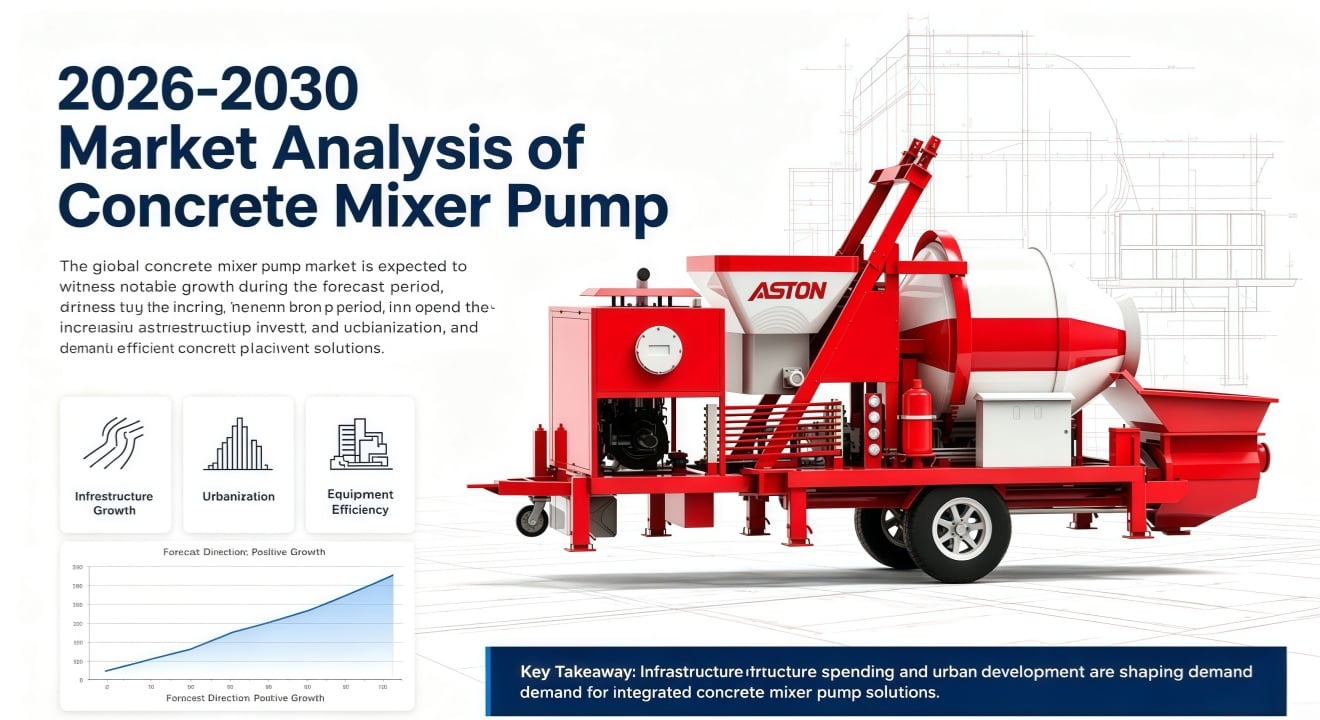
The global concrete pump market is on a firm upward trajectory, projected to grow from USD 3.9 billion in 2024 to USD 6.1 billion by 2030 at a CAGR of roughly 7.8%. Within this expanding market, mixer-pumps stand out as one of the fastest-growing mobility segments, as contractors increasingly favor compact, multi-function machines over separate mixing and pumping equipment for small and medium projects.
This growth is not accidental — it is driven by structural forces that will keep demand strong through 2030 and beyond: rapid urbanization across Asia Pacific, Africa, and Latin America, rising labor costs that push contractors toward mechanized concrete placement, and infrastructure investment programs in both developed and emerging economies. In regions where ready-mix supply chains remain thin, the mixer pump is often the only practical way to place concrete efficiently, giving owners a durable competitive edge in their local markets.
For buyers, the message is straightforward: the market momentum confirms that a concrete mixer pump is a sound, future-proof investment. One machine replaces two, cuts labor requirements by up to 30%, and unlocks rental income potential in a market where demand keeps climbing. The earlier you enter, the longer your payback window — and the stronger your position as regional construction activity accelerates toward 2030.
Specifications of concrete mixer pump
From harsh, large-aggregate foundation pours to fluid, high-slump structural mixes, ASTON concrete mixer pumps efficiently batch, mix, and deliver a complete spectrum of concrete formulations. Designed for continuous, high-pressure output, these integrated machines transform raw dry materials into uniform, high-grade concrete pumped directly to your pouring site ready for immediate placement.
Specifications of Eletric Concrete Mixer Pumps
| Item | Diesel Type JBS30C | Diesel Type JBS40C | |
|---|---|---|---|
| Max. theo. concrete output | M³/h | 30 | 40 |
| Mixer rated feed capacity | m3 | 0.56 | 0.56 |
| Mixer rated discharge capacity | m3 | 0.35 | 0.45 |
| Max.concrete pumping pressure(H./L.) | MPa | 10 | 10 |
| Distribution valve type | S Valve | S Valve | |
| Concrete cylinder diameter×stroke | mm | Φ140×1000 | Φ180×1000 |
| Hopper capacity | L | 400 | 400 |
| Outlet diameter | mm | Φ150 | Φ150 |
| Winding motor power | KW | Hydraulic motor | Hydraulic motor |
| Stir the motor Power | KW | Hydraulic motor | Hydraulic motor |
| Water pump motor power | KW | Hydraulic motor | Hydraulic motor |
| Diesel engine model | Weichai | Weichai | |
| Electrical engineering power | KW | 37 | 82 |
| Rotate speed | r/min | 1480 | 2200 |
| Circuit type | Open circuit | Open circuit | |
| Pumping system pressure | MPa | 26 | 32 |
| Mixing system pressure | MPa | 6-8 | 6 |
| Capacity of oil tank | L | 260 | 350 |
| Max. Theoretical Vertical/Horizontal Conveying Distance | m | 120/300 | 120/500 |
| Max. aggregate diameter | mm | Slick/scree:10/20 | Slick/scree:40/50 |
| Inside diameter of delivering pipe | mm | Φ100 | Φ125 |
| Dimensions: length×width×height | mm | 4500×1750×1600 | 600×2300×3150 |
Specifications of Diesel Concrete Mixer Pumps
| Item | Diesel Type JBS30C | Diesel Type JBS40C | |
|---|---|---|---|
| Max. theo. concrete output | m3/h | 30 | 40 |
| Mixer rated feed capacity | m3 | 0.56 | 0.56 |
| Mixer rated discharge capacity | m3 | 0.35 | 0.45 |
| Max.concrete pumping pressure(H./L.) | MPa | 10 | 10 |
| Distribution valve type | S Valve | S Valve | |
| Concrete cylinder diameter×stroke | mm | Φ140×1000 | Φ180×1000 |
| Hopper capacity | L | 400 | 400 |
| Outlet diameter | mm | Φ150 | Φ150 |
| Winding motor power | KW | Hydraulic motor | Hydraulic motor |
| Stir the motor Power | KW | Hydraulic motor | Hydraulic motor |
| Water pump motor power | KW | Hydraulic motor | Hydraulic motor |
| Diesel engine model | Weichai | Weichai | |
| Electrical engineering power | KW | 37 | 82 |
| Rotate speed | r/min | 1480 | 2200 |
| Circuit type | Open circuit | Open circuit | |
| Pumping system pressure | MPa | 26 | 32 |
| Mixing system pressure | MPa | 6-8 | 6 |
| Capacity of oil tank | L | 260 | 350 |
| Max. Theoretical Vertical/Horizontal Conveying Distance | m | 120/300 | 120/500 |
| Max. aggregate diameter | mm | Slick/scree:10/20 | Slick/scree:40/50 |
| Inside diameter of delivering pipe | mm | Φ100 | Φ125 |
| Dimensions: length×width×height | mm | 4500×1750×1600 | 600×2300×3150 |
Specifications of Vertical Shaft Concrete Mixer Pumps
| Items | Units | Parameters LBIW40D |
|---|---|---|
| Whole performance of machine | ||
| Max. theo. concrete output | m3/h | 40 |
| Mixer Capacity Per Hour | M³ | 37.5 |
| Mixer Feeding Capacity | L | 1200 |
| Mixer Discharge Capacity | L | 750 |
| Max.concrete pumping pressure | Mpa | 10 |
| Concrete cylinder diameter×stroke | mm | <Φ200×1000 |
| Hopper capacity | L | 600 |
| Outlet diameter | mm | Φ150 |
| Electrical engineering power | kW | 55 |
| Pumping system pressure | Mpa | 28 |
| Mixing system pressure | Mpa | 6-8 |
| Capacity of oil tank | L | 370 |
| Largest pumping distance(Height/Horizontal) | m | 120/400 |
| Other parameters | ||
| Max. aggregate diameter | mm | Scree: 40 |
| Inside diameter of delivering pipe | mm | Φ125 |
Specifications of Twin Shaft Concrete Mixer Pumps
| Items | Electric type concrete mixer pump | Electric type concrete mixer pump | Diesel type concrete mixer pump | Diesel type concrete mixer pump | |
|---|---|---|---|---|---|
| Model/parameter | JBS40B-JS500 | JBS40B-JS750 | JBS40B-JS500-129R | JBS40B-JS750-129R | |
| Main oil pump | Kawasaki, Korea | Kawasaki, Korea | Kawasaki, Korea | Kawasaki, Korea | |
| Main oil pump discharge | ml/r | 112 | 112 | 112DT | 112DT |
| Maximum theoretical displacement of push organization | 40 | 40 | 40 | 40 | |
| Main Engine | kw | 45 | 45 | kw 129, Weichai | kw 129, Weichai |
| kw power of agitating motor | 18.5 | 30 | Hydraulic motor | Hydraulic motor | |
| Lift motor power | kw | 5.5 | 7.5 | Hydraulic motor | Hydraulic motor |
| Mixer productivity | 25 | 35 | Hydraulic motor | Hydraulic motor | |
| Main oil pump Cylinder diameter/stroke | (mm) | Φ100/1000 | Φ100/1000 | Φ100/1000 | Φ100/1000 |
| Concrete Cylinder diameter/stroke | (mm) | Φ200/1000 | Φ200/1000 | Φ200/1000 | Φ200/1000 |
| Electronic control system | France | France | France | France | |
| PLC unit | Omron, Japan | Omron, Japan | Omron, Japan | Omron, Japan | |
| Close switch | Germany | Germany | Germany | Germany | |
| Intermediate relay | France | France | France | France | |
| Remote control | Wireless remote control | Wireless remote control | Wireless remote control | Wireless remote control | |
| Valve group | Beijing Ward | Beijing Ward | Beijing Ward | Beijing Ward | |
| Lubricating system | Automatic hydraulic pressure | Automatic hydraulic pressure | Automatic hydraulic pressure | Automatic hydraulic pressure | |
| Discharge outlet diameter | (mm) | Φ180 | Φ180 | Φ180 | Φ180 |
| piping | (m) | 100 m Φ125 | 100 m Φ125 | 100 m Φ125 | 100 m Φ125 |
Key advantages of the ASTON concrete mixer pump for sale

Mixing and Pumping in One Machine
The mixer pump integrates a concrete mixer and a trailer pump into a single unit. Raw materials are loaded, mixed on-site, and pumped directly to the pouring point through the delivery pipeline — eliminating the need for separate mixing equipment, ready-mix trucks, and manual concrete handling. One machine, one operator, one continuous workflow from batching to placement.
Big Savings on Labor and Equipment
With mixing and pumping combined, a typical crew of 8–10 workers is reduced to 2–3. There is no second machine to purchase, maintain, or transport, and no waiting for commercial concrete deliveries. For small and medium projects, total concrete placement costs can be cut by up to 46%, delivering a fast return on your equipment investment.
Flexible Power and Proven Durability
Electric and diesel engine options keep the machine productive on grid-powered urban sites as well as off-grid rural projects. Built with a hard-wearing S-valve distribution system, hydraulic drive, and wear-resistant components, the pump maintains stable output shift after shift, with a design built for years of low-failure operation.
Concrete mixer pump features:
1. Hydraulic mixing and pumping drive system
The mixer pump adopts a fully hydraulic drive for both the mixing unit and the pumping system. Hydraulic motors deliver stable torque under variable load, allowing the machine to handle different concrete slump and aggregate conditions without stalling. This closed-loop design extends component life and reduces maintenance compared with mechanical transmission systems.
2. S-valve distribution technology
The hard-wearing S-tube distribution valve switches smoothly between pumping strokes, ensuring a continuous concrete flow with minimal pressure loss. Its wear-resistant surface treatment withstands abrasive aggregates up to 40 mm, maintaining tight sealing performance over long service intervals and keeping output consistent at up to 10 MPa pumping pressure.
3. Twin-shaft and drum mixer options
Depending on your application, the machine can be configured with a drum mixer for general-purpose work, or a twin-shaft mixer that produces homogeneous concrete in as little as 20 seconds per batch. The twin-shaft option delivers higher mixing productivity and is suited to projects requiring strict concrete quality control.
4. Wireless remote control operation
The mixer pump is equipped with a wireless remote control, allowing a single operator to manage loading, mixing, and pumping from a safe distance. One worker can supervise the whole process while monitoring the pour point directly, improving both safety and placement accuracy.
5. Automatic lubrication and cooling systems
An automatic centralized lubrication system continuously greases the key wear points of the S-valve and mixing components during operation, eliminating manual greasing and preventing premature wear. The hydraulic oil cooling system keeps oil temperature within the optimal range, enabling continuous multi-shift work without performance drop.
Aston concrete mixer pumps prices & ROI analysis
Choosing a concrete mixer pump is not just an equipment purchase — it is an investment that pays back on every project. Prices vary by engine type, mixer configuration, and output capacity, but even entry-level models start recovering their cost within the first few months of steady work.
| Model Type | Engine | Output | Approx. Price (FOB) |
|---|---|---|---|
| Drum Mixer Pump (Entry) | Electric | 30 m³/h | $5,900 – $12,000 |
| Drum / Twin-Shaft Pump | Electric | 40 m³/h | $12,000 – $20,000 |
| Twin-Shaft Mixer Pump | Diesel | 40 – 50 m³/h | $18,000 – $28,000 |
| Vertical-Shaft / High-Output | Diesel | 40 – 60 m³/h | $25,000 – $35,000 |
Prices are indicative FOB figures and vary with configuration, options, and shipping terms. Contact us for an exact quotation.
Where the return comes from
The mixer pump earns its keep by replacing two machines and most of the crew. A traditional pour needs a separate mixer, a pump, and 8–10 workers; the ASTON mixer pump does the same job with one machine and 2–3 people. On small and medium projects, that combination cuts total concrete placement costs by up to 46%, while eliminating ready-mix delivery fees and concrete waste.
A simple payback example
Take a mid-range diesel twin-shaft model at roughly $22,000. If it saves a contractor around $150–$250 per working day in labor, rental, and ready-mix costs, and operates 20–25 days a month, monthly savings reach $3,000–$6,000. On that basis the machine pays for itself in roughly 4 to 7 months, after which it becomes a pure profit and rental-income asset for years of low-failure service.
Tailored solutions for your industry
The Aston concrete mixer pump is built to adapt — one machine that mixes and pumps on-site — so it fits whether you are laying rural foundations, filling tight urban floors, or renting equipment out for profit. Below are the industries and buyers who gain the most.
Rural & township housing contractors:
Where ready-mix trucks can’t reach or aren’t worth calling for small volumes, the mixer pump lets you batch and place concrete on-site for foundations, columns, and slabs. Diesel power keeps you working even without a grid connection, turning scattered village jobs into steady, profitable work.
Urban & infill builders:
On cramped city sites with no room for a batching plant or truck access, the compact trailer-mounted unit slips in, mixes on the spot, and pumps concrete up floors and around obstacles through the delivery pipeline — ideal for extensions, small commercial buildings, and repair work.
Road, bridge & municipal crews:
For drainage channels, culverts, kerbs, sidewalks, and small structural elements spread along a route, the towable mixer pump moves quickly between work points and keeps a continuous pour going without waiting on external concrete supply.
Agricultural & rural infrastructure owners:
Barns, silage pits, livestock flooring, irrigation channels, and farm roads all need reliable concrete far from commercial plants. The mixer pump brings the batching plant to the farm, on your own schedule.
Equipment rental & investment buyers:
With rising demand for compact concrete equipment, owners can hire the machine out between their own projects. High utilization plus low operating cost make it a genuine income-generating asset, not just a tool.
Get A Free Quote NowBuild a complete concrete line: mixer pump + batching plant
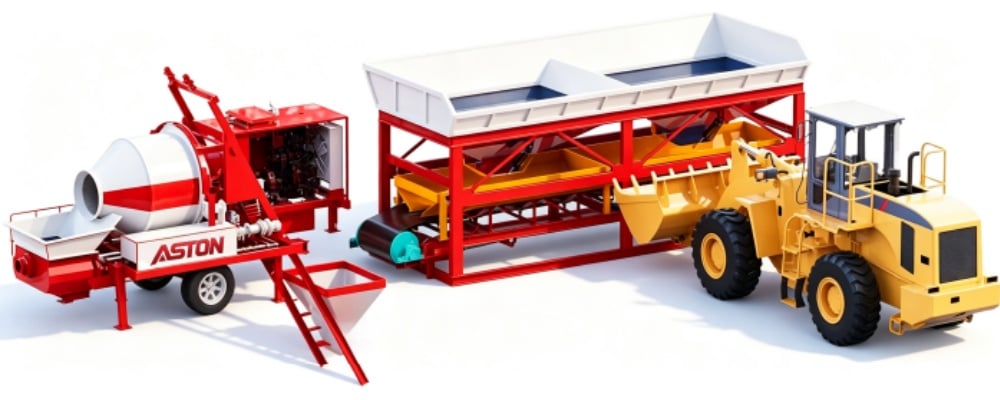
Pair your mixer pump with a batching plant and wheel loader for a complete, self-contained concrete line — batching, mixing, and placing in one continuous flow, with no reliance on ready-mix suppliers.
- Loader feeds aggregates into the batching plant for precise proportioning
- Mixer pump mixes and pumps concrete straight to the pour point — up to 60 m³/hPower Options: Electric / Diesel engine (Weichai / Cummins / Yuchai)
- Full control over mix, schedule, and cost, with almost no manual handling
Start with a single mixer pump or build the full line from day one — Aston supplies matched pumps, plants, and loaders designed to work together.
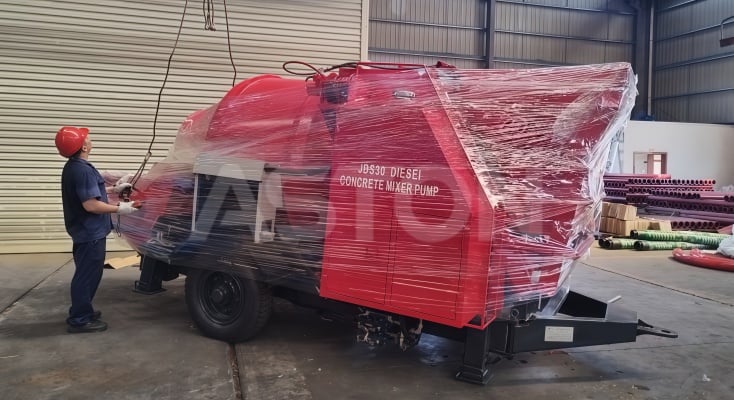
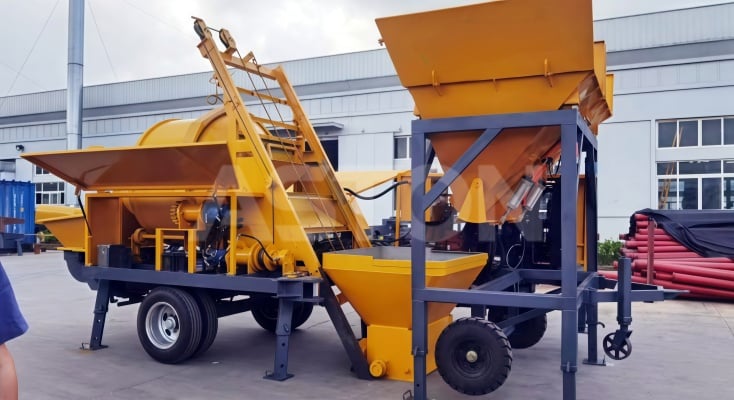
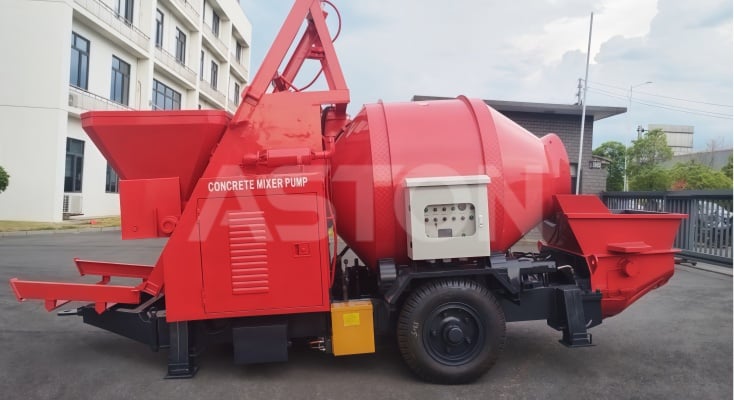
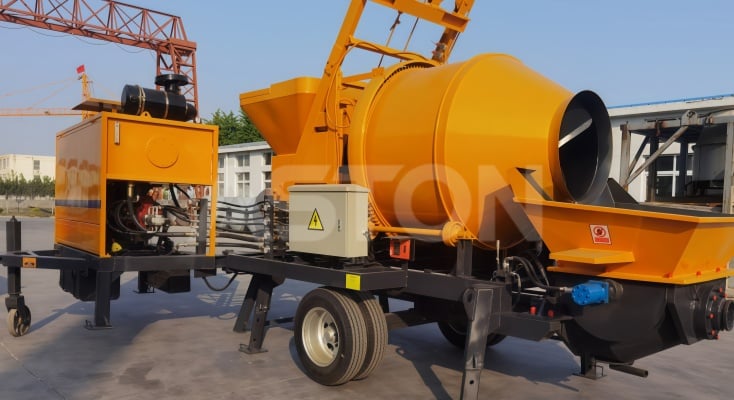
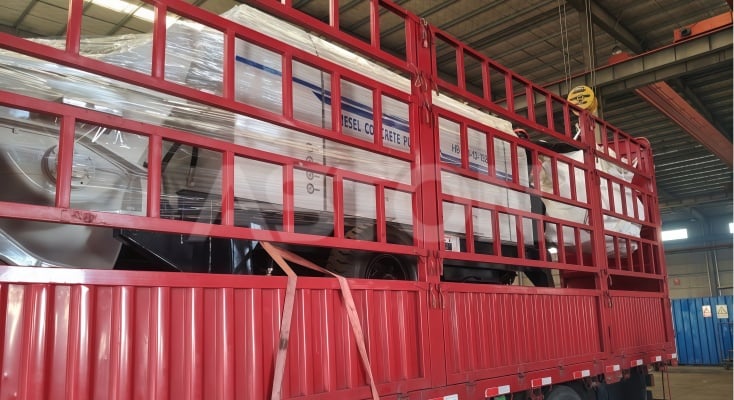
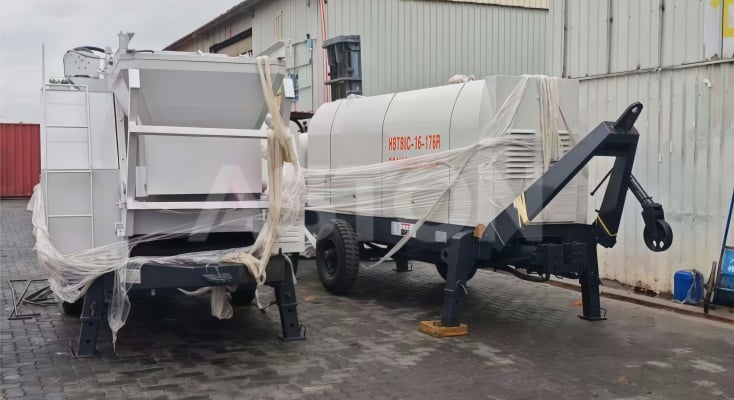
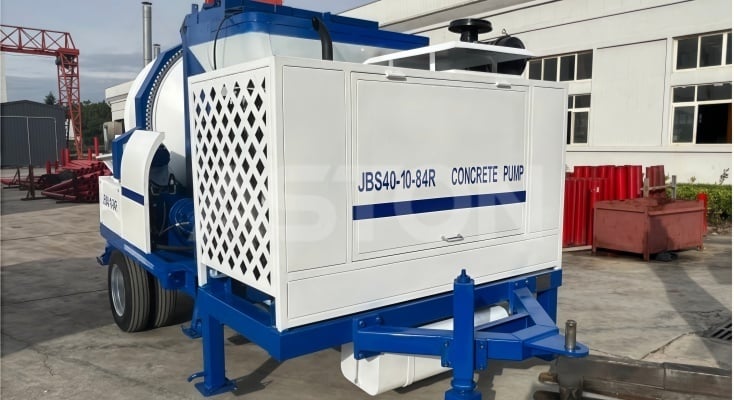
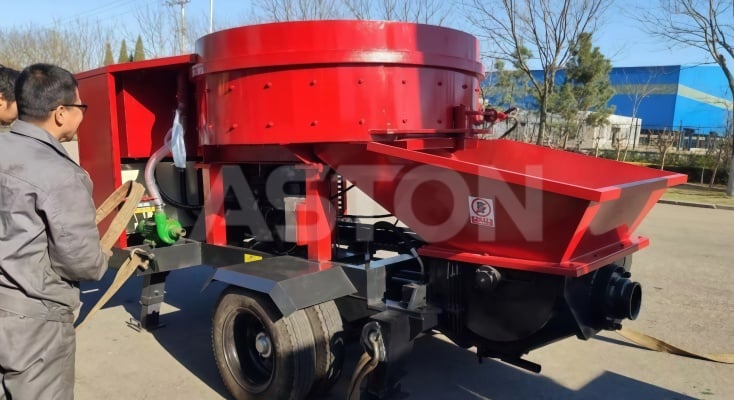
Concrete mixer pumps exported cases:
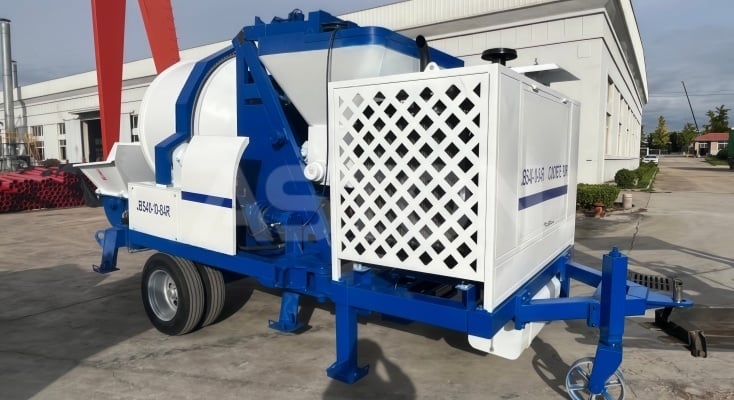
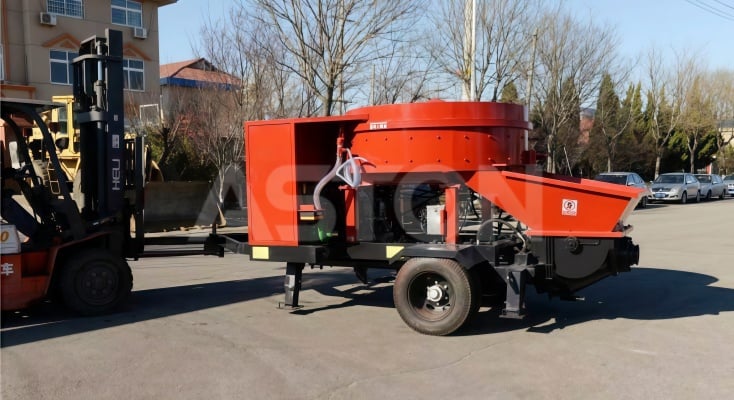
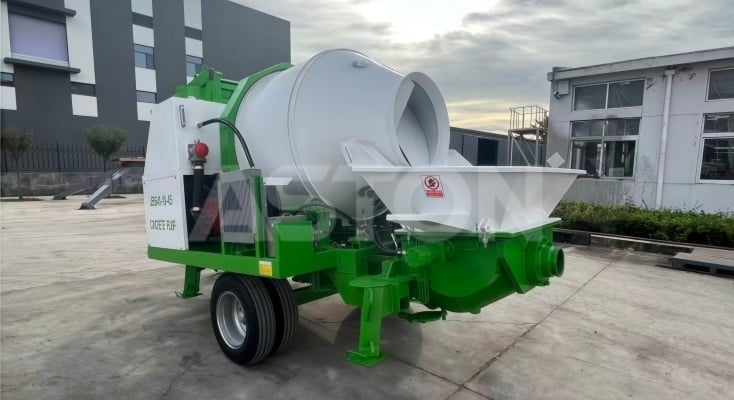
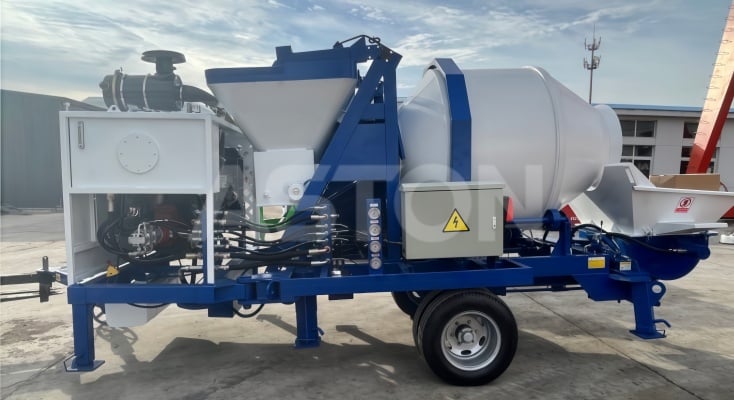
Components of concrete mixer pumps
A concrete mixer pump works through a single, continuous workflow that links batching, mixing, and pumping into one coordinated cycle. Designed as an all-in-one, trailer-mounted solution, it removes the handoffs between separate machines — raw materials go in at one end and finished concrete arrives at the pour point through the pipeline, with one operator overseeing the whole process by wireless remote for high output and dependable placement on every job.
Sand, aggregate, cement, and water are fed into the hopper manually or by loader. Correct proportioning at this stage sets the concrete quality for the entire batch.
The drum, twin-shaft, or vertical-shaft mixer blends the materials into a uniform mix — a twin-shaft unit reaching homogeneous concrete in as little as 20 seconds per batch.
The fresh mix drops into the pumping hopper, where hydraulic cylinders and the S-valve distribution system draw it in and push it forward under pressure up to 10 MPa, in a smooth continuous flow.
Concrete travels through the delivery pipeline up to 120 m vertically or 500 m horizontally, reaching foundations, floors, or hard-to-access points without manual carrying.
The operator manages loading, mixing, and pumping by wireless remote from a safe distance; after the pour, the water/cleaning system flushes the pipeline and pump to keep the machine ready for the next cycle.
Why contractors choose Aston
20+ Years
Since 1999, Aston has manufactured concrete plants, pumps, and mixers for customers in over 100 countries. Two decades of export experience means proven designs, mature quality control, and a partner who understands how your machine has to perform on real jobsites — not just in a catalog.
Factory-Direct
Every mixer pump is built in our own workshop and shipped straight to you, with no dealer layer in between. That keeps prices 30–40% below comparable European and American brands while giving you direct access to the engineers who make the machine — for genuine spare parts, technical guidance, and fast answers.
24-Hour Support
From your first inquiry to after-sales service, our team responds within 24 hours. We provide operator training, troubleshooting, and a reliable supply of original parts, so downtime stays short and your machine keeps earning. One point of contact, backed by a full construction-machinery product line.
FAQs
Below are answers to some of the most common questions when selecting concrete mixer pumps.
Prices generally run from about $5,900 to $35,000 FOB, depending on output capacity, engine type, and mixer configuration. Entry-level electric drum models sit at the low end, while high-output diesel twin-shaft units are at the top. Because every project is different, we quote based on your exact configuration — contact us for an accurate price.
Choose electric if your site has stable grid power — it has lower operating cost, less noise, and cleaner emissions, ideal for urban work. Choose diesel for remote or rural sites without reliable electricity, where mobility matters most. Tell us your site conditions and concrete volume, and we’ll recommend the right match.
Match the output to your daily concrete demand: 30 m³/h suits small foundations and rural housing, 40 m³/h is the most popular all-round choice, and 50–60 m³/h fits larger road, bridge, or high-volume work. Over-buying capacity wastes budget, so we help you size it correctly before you order.
Yes — engine brand, voltage/frequency, pipeline length, control language, and mixer type can all be adjusted to suit local power standards and project needs. Share your requirements and we’ll configure the machine accordingly.